 0
0
 0
0
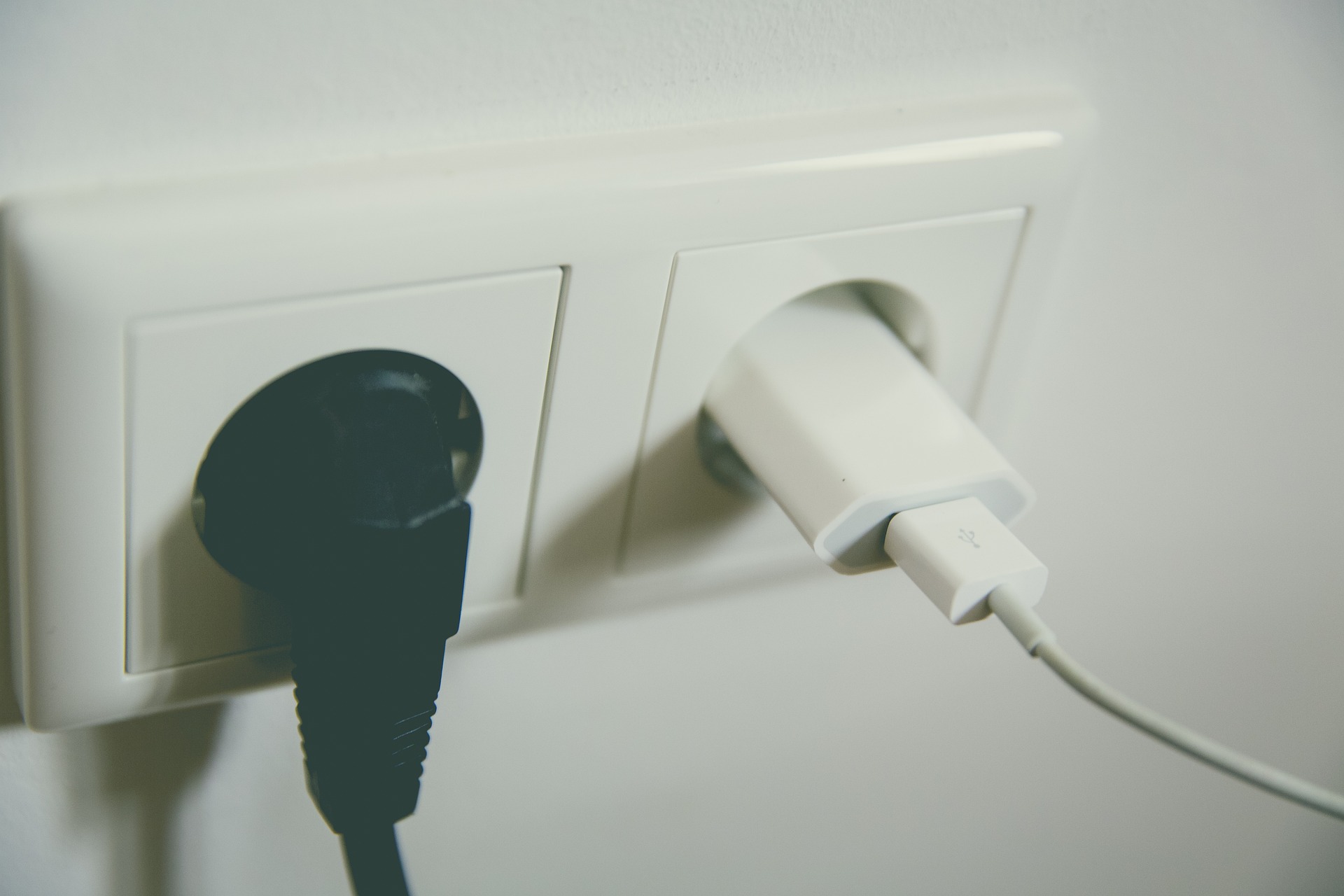
A phone may be unplugged, but its charger often remains in the wall socket. Many people don’t think twice about it. But does a charger still consume electricity when it’s not actively charging a device?
According to Michael Hartmann, professor of power electronics at TU Graz, the answer is yes—though the amount is very small.
Modern chargers convert the alternating current from household outlets into the low-voltage direct current required by smartphones. Inside each charger is a transformer, which today can be built compactly and efficiently thanks to advances in technology.
However, even when a phone is disconnected or fully charged, the charger does not switch off completely. Instead, its internal electronics enter a low‑power standby mode. “The output voltage of the device is maintained, and that requires a small amount of standby power,” Hartmann told Kleine Zeitung.
Individually, the energy use is minimal. But with billions of chargers in use worldwide, even tiny continuous power draws add up to a noticeable amount of global energy consumption.
Regulators have taken note. Since May 2025, the European Union has limited standby consumption of chargers to a maximum of 0.5 watts. That limit will drop to 0.3 watts in 2027. Many modern chargers already perform better, often consuming around 0.1 watts or less in standby mode, experts say.
Still, Hartmann offers a simple piece of advice: “The most efficient energy is the energy that isn’t consumed in the first place.” A quick pull of the plug is all it takes.
- source: heute.at/picture: Image by Markus Spiske from Pixabay



This post has already been read 20500 times!